The regulatory landscape for suppressor manufacturers has changed significantly.
On October 9, 2026, the Bureau of Alcohol, Tobacco, Firearms and Explosives (ATF) announced new guidance affecting the manufacture, registration, and transfer of suppressors and certain other firearms regulated under the National Firearms Act (NFA).
The announcement follows legislation eliminating the federal making and transfer taxes for certain NFA items, along with a federal court ruling challenging the continued enforcement of related NFA requirements.
For suppressor manufacturers, the implications extend beyond the removal of a tax.

Changes to the federal transfer and registration process could influence how manufacturers approach distribution, production planning, and future demand.
However, the announcement does not eliminate every regulatory requirement, and manufacturers should distinguish between what has changed, what remains in place, and what is still uncertain.
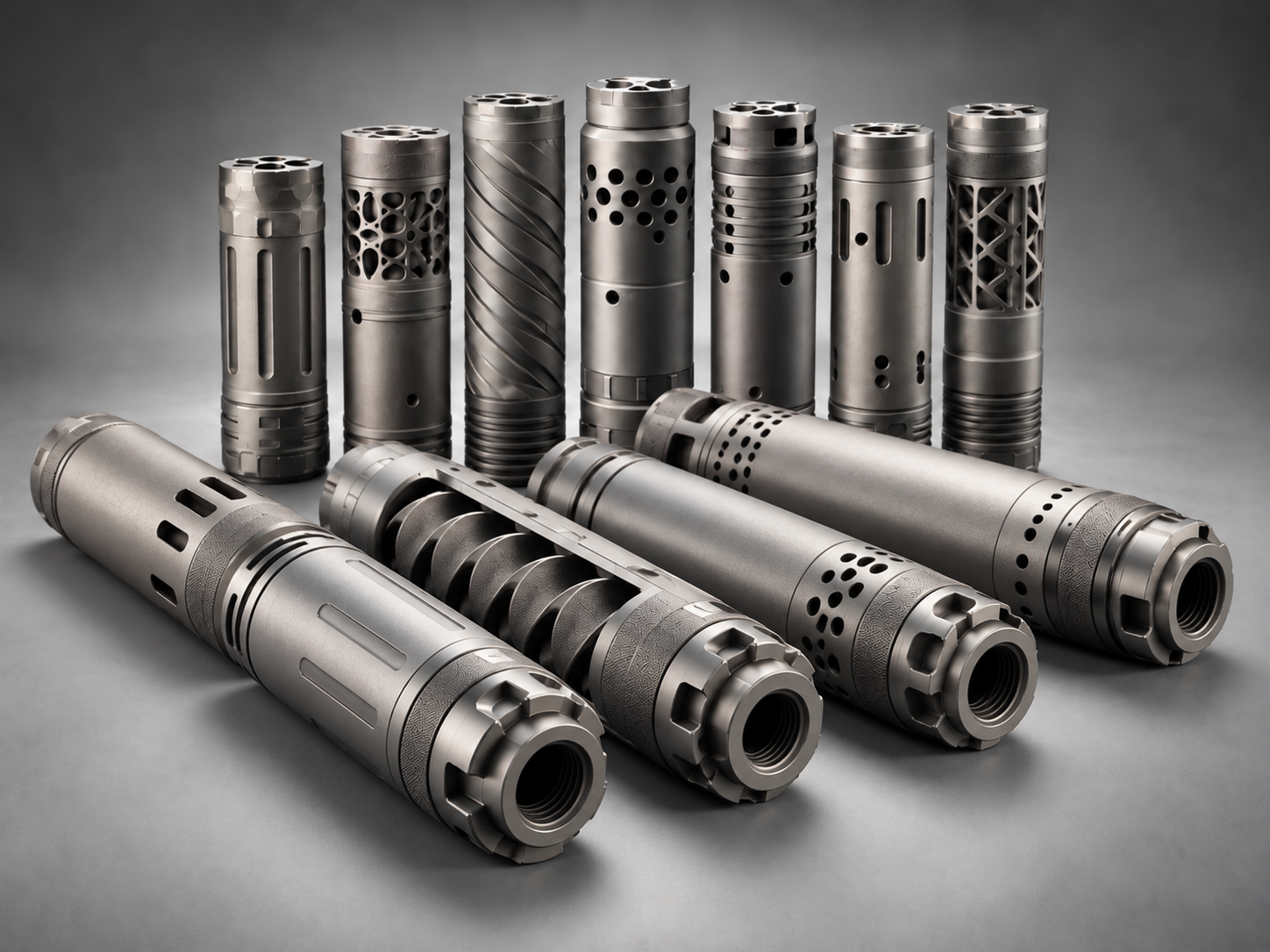
What Has Changed?
Under its October 9 guidance, ATF announced that it will no longer enforce certain NFA approval, registration, and transfer requirements for suppressors, short-barreled rifles, short-barreled shotguns, and certain other covered firearms.
For suppressors, this includes the NFA requirement to obtain prior ATF approval before making or transferring covered items, as well as associated federal registration requirements.
The agency also indicated that federal firearms licensees are no longer required to obtain NFA Form 3 approval for covered transfers between licensed businesses. Voluntary registration and transfer applications remain available.
These changes represent a significant shift in federal enforcement policy, potentially reducing administrative steps historically associated with suppressor transactions.
Importantly, this is an enforcement policy rather than a wholesale repeal of the NFA. The ATF has also acknowledged that future legal or policy developments could change its approach.
What Remains in Place?
Suppressors remain regulated as firearms under the Gun Control Act.
Licensed businesses must continue to comply with applicable federal firearms licensing requirements, transaction records, and background-check obligations. Manufacturers must also meet applicable serialization requirements and pay relevant special occupational taxes.
State and local restrictions remain in effect, and the new federal guidance does not override them.
For manufacturers and distributors operating across multiple jurisdictions, this distinction is particularly important. A change in federal enforcement does not necessarily mean every market will follow the same rules.
Businesses should review the ATF's official guidance and consult qualified legal or compliance professionals when evaluating changes to their procedures.
What Could This Mean for Suppressor Manufacturers?
Removing certain NFA approval requirements could simplify portions of the transfer process between manufacturers, distributors, and licensed dealers.
Historically, federal NFA approvals were an additional administrative consideration in suppressor distribution. Under the new guidance, some of those requirements are no longer being enforced.
For manufacturers, this could create opportunities to reassess inventory movement, order processing, and distributor relationships. However, remaining federal and state requirements still need to be considered, and the operational effects will vary by business.
Potential Changes in Market Demand
Reduced administrative barriers could make suppressor purchases more accessible to eligible customers in jurisdictions where ownership is permitted.
That may influence demand over time, but the size and timing of any market response remain uncertain. Manufacturers should be cautious about treating regulatory changes as a guarantee of higher sales volumes.
Instead, the development provides a reason to revisit demand forecasts, production planning, and the flexibility of existing supply arrangements.
Greater Attention to Manufacturing Readiness
If demand patterns change, manufacturers may need to adjust production schedules, inventory strategies, and supplier relationships.
For manufacturers using additive manufacturing, those considerations extend to the availability and consistency of metal powder feedstocks. Reliable material supply, appropriate powder specifications, and coordination between manufacturing teams and material suppliers remain important regardless of the regulatory environment.
Changes in the market may place additional value on manufacturers' ability to adjust production without disrupting established quality requirements.
Continued Importance of Material and Process Consistency
Regulatory changes do not alter the engineering requirements of a finished suppressor.
Manufacturers must continue to evaluate materials and production processes against their own application, performance, quality, and compliance requirements.
For additive manufacturing applications, powder characteristics such as particle size distribution, flowability, chemistry, and consistency can influence production outcomes.
Maintaining control over those variables remains important as manufacturers evaluate new designs, production volumes, or material strategies.
Where Metal Powder Supply Fits In
For suppressor manufacturers using metal additive manufacturing, the conversation is ultimately about maintaining manufacturing flexibility while meeting established material requirements.
Continuum Powders supports advanced manufacturing customers through high-performance metal powders, proprietary Greyhound M2P™ atomization technology, and production capabilities using reclaimed and virgin feedstocks.
Its capabilities include production metal powders, specialty alloy development, and flexible particle size distributions for additive manufacturing applications.
As suppressor manufacturers evaluate how the new regulatory environment may affect their operations, material availability, powder consistency, and supply planning remain practical considerations.

Continuum's Suppressor Overview
Download the full one-pager to see how Continuum is helping suppressor manufacturers achieve higher performance, greater supply assurance, and a more sustainable manufacturing path.
Looking Ahead
The ATF's October 9 announcement marks a meaningful change in how the federal government intends to enforce certain NFA requirements.
For suppressor manufacturers, it may create opportunities to reassess distribution practices and prepare for potential shifts in demand. At the same time, continued federal and state obligations, along with uncertainty surrounding future enforcement, make careful planning essential.
The manufacturers best positioned to respond will be those that stay informed about regulatory developments while maintaining flexibility in their production and supply-chain strategies.
For manufacturers evaluating metal powder requirements or specialty alloy programs, connect with the Continuum Powders team.
* Regulatory information is based on ATF guidance published October 9, 2026, and is provided for general industry awareness. It does not constitute legal advice. Manufacturers should consult qualified counsel and the relevant regulatory authorities regarding their specific obligations.